
Stargazing in Montana: Watch the Black Moon Rise
If you needed one more reason to step outside next weekend, the universe just gave Montana one. A rare black moon will rise Friday and Saturday, and our wide-open skies are front row seats.
So what exactly is a black moon? Don’t worry, it’s not a Slayer album cover or some witch’s spellbook warning. It’s simply the second new moon in a single calendar month, and it doesn’t happen often. In fact, it only shows up once every 33 months or so. It’s one of those cosmic events where the sky seems to be playing a little joke with the calendar.

Montana Gets the Best View
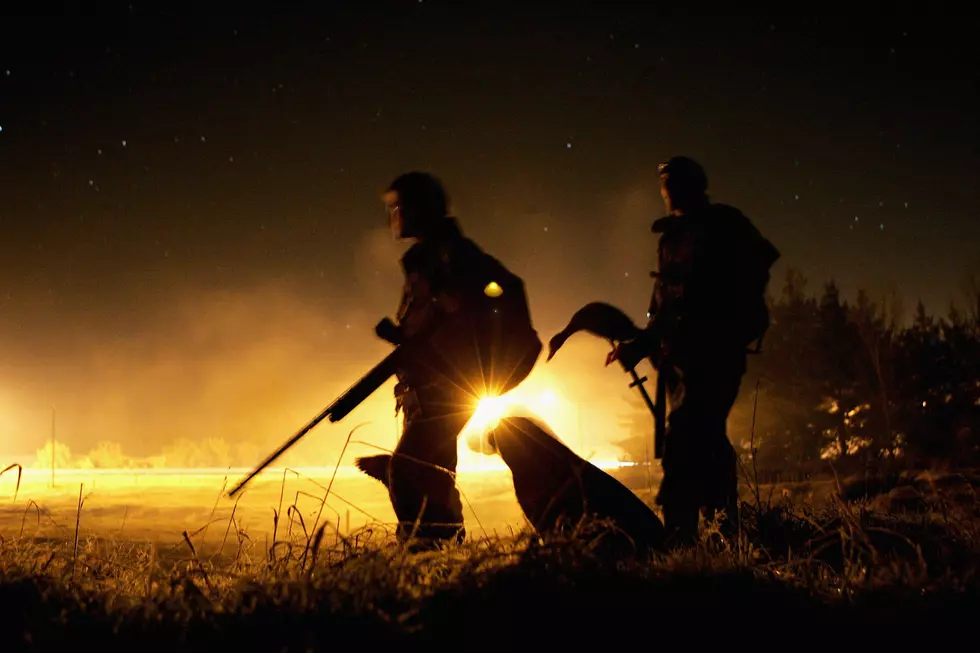
Here’s the truth about Montana: the Big Sky isn’t just a marketing slogan, it’s an astronomical shortcut. With less light pollution than most states, all you really need is a clear patch of sky and maybe a lawn chair. The black moon itself won’t be visible but that’s what makes it so special. Without moonlight washing everything out, the stars and galaxies burst into view like a cold beer cracking open at camp.
If you’re in Missoula or Billings, it’s worth driving a bit out of town to escape the streetlights. But if you’re on the Hi-Line, in the Flathead, or anywhere near Glacier, you’ve already got a free pass to the best show in the world. On nights like this, the Milky Way looks like someone spilled glitter across the sky, and you’re reminded why Montana plates brag about Big Sky Country.

Rare, But Worth It
We won’t see another black moon for about three years. So if you’re looking for an excuse to toss a blanket in the back of the truck, round up some friends, and drive past the last streetlight, this is it. Montana’s sky isn’t just big, it’s the darkest stage in the country.
LOOK: The most expensive weather and climate disasters in recent decades
Gallery Credit: KATELYN LEBOFF
More From 96.3 The Blaze